Water Purification & Foraging Dynamics
The Imperative of Hydration
Dehydration degrades cognitive function and physical endurance rapidly. Securing a reliable water source is the highest priority after immediate first aid and shelter. However, untreated surface water contains biological hazards—bacteria, protozoa, and viruses—that can cause severe gastrointestinal distress, accelerating dehydration through fluid loss.
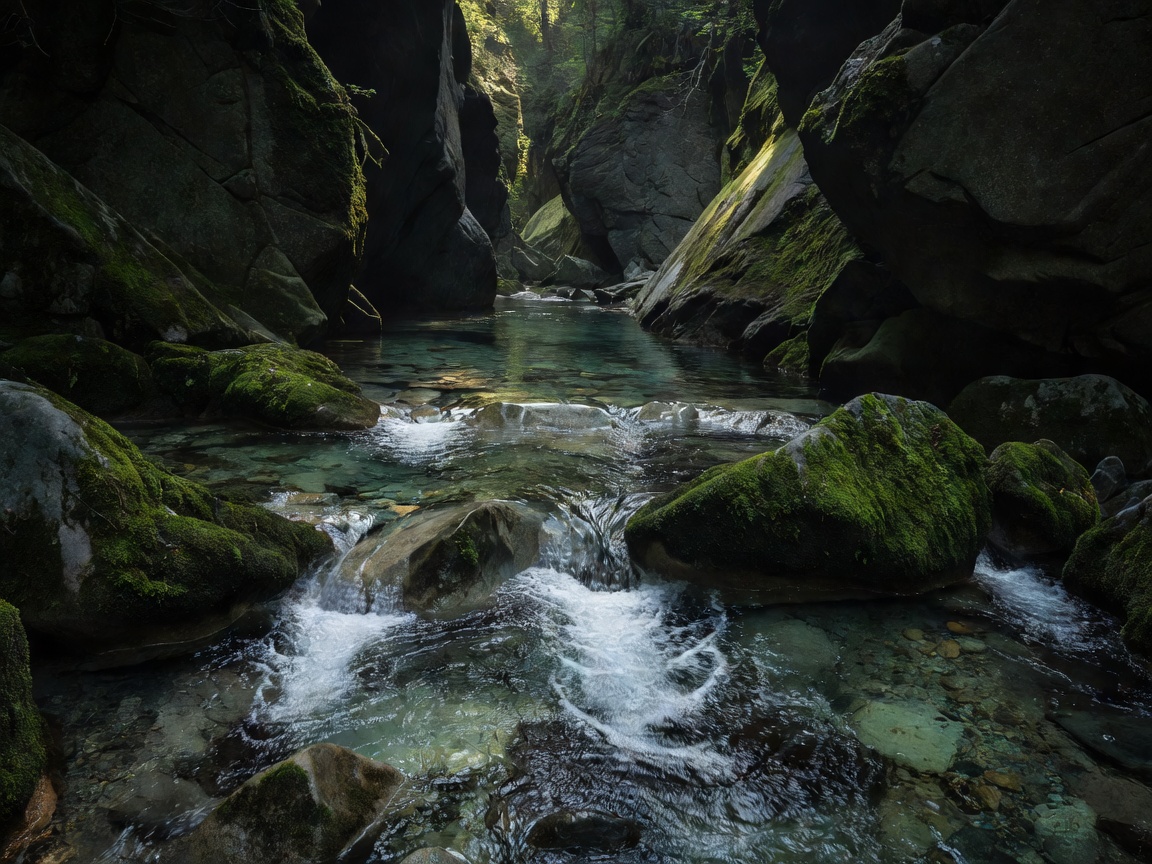
Finding water involves understanding local topography. Water flows to the lowest point. In arid environments, look for green vegetation clusters, animal tracks leading in a unified direction, and insect activity (such as bees), which rarely stray far from water sources. Dew collection utilizing porous cloth dragged through early morning grass is a low-energy, albeit low-yield, method of securing moisture.
Methods of Water Purification
Boiling
Boiling is the most reliable method for neutralizing biological pathogens. Water must be brought to a rolling boil. While pathogens like Giardia and Cryptosporidium are destroyed at temperatures well below boiling, a rolling boil provides a clear, unmistakable visual indicator that the required temperature has been reached. In high altitudes where water boils at a lower temperature, the boil time should be extended.
Chemical Treatment
Iodine and Chlorine Dioxide drops or tablets alter the cellular structure of pathogens. Chlorine dioxide is generally preferred as it is effective against Cryptosporidium (which iodine struggles with) and leaves less of an unpleasant aftertaste. Chemical treatments require contact time—usually 30 minutes to 4 hours depending on the water's temperature and turbidity. Cold water slows the chemical reaction significantly.
Filtration
Modern hollow-fiber membrane filters force water through microscopic pores, physically trapping bacteria and protozoa. They do not remove viruses, though viruses are rarely a concern in pristine North American or European wilderness areas compared to human-dense regions. A field expedient filter can be constructed using a cone of bark layered with charcoal (from your fire), sand, and gravel to reduce turbidity, though this will not reliably remove microscopic pathogens without subsequent boiling.
Fundamentals of Foraging
Foraging provides supplemental calories and essential micronutrients, but it carries the severe risk of poisoning. Rule number one of foraging is absolute certainty. If you cannot identify a plant with 100% confidence, do not consume it.
High-Calorie Targets
Leafy greens provide minimal caloric return for the energy spent digesting them. When foraging for survival calories, the focus must shift to starchy roots, tubers, and nuts. Acorns, for example, are abundant and calorically dense, but require extensive processing (leaching in water) to remove bitter, toxic tannic acid before consumption.
The Universal Edibility Test
If entirely lost in a foreign environment with no botanical knowledge, the universal edibility test is a slow, methodical process to test a plant for toxicity. It involves separating the plant into parts (leaves, stems, roots), smelling for bitter almond odors, and applying crushed pieces to skin, then lips, then tongue over a period of hours, waiting for adverse reactions at each stage. This is a desperate measure, not a primary strategy.
Toxic Lookalikes
Many edible plants have deadly mimics. For instance, the highly toxic Water Hemlock closely resembles edible members of the carrot family. Mushrooms are notoriously dangerous to forage without expert local knowledge; the difference between a nutritional meal and liver failure can be a subtle variation in gill structure or spore print.
Conclusion
Water purification is an absolute necessity and should never be compromised. Foraging, conversely, is an advanced skill that requires rigorous study prior to entering the field. Prioritize water collection, ensure thorough purification, and treat foraging as a secondary objective unless confident in your botanical identification skills.